The Science Behind Posture and Craving Regulation
By Sophia Crane
Postural alignment influences several physiological systems involved in stress regulation, digestion, and appetite control. These interactions can indirectly affect food cravings and energy-seeking behavior.
1. Slouched posture and stress hormone activation
Forward-flexed posture reduces lung expansion, resulting in shallow respiration. This pattern can increase sympathetic nervous system activity and elevate cortisol levels—a hormone associated with heightened preference for high-sugar, high-fat foods.
2. Mechanical effects on gastrointestinal function
Trunk compression during slouching places pressure on the stomach and intestines, slowing gastric emptying and intestinal motility. Impaired digestion can lead to discomfort or bloating, which may reinforce cravings for rapidly digestible, energy-dense foods.
3. Reduced oxygenation and energy perception
Restricted thoracic mobility decreases oxygen availability, which can contribute to fatigue and reduced cognitive performance. Lower perceived energy often increases the drive for quick metabolic fuel, such as refined carbohydrates or caffeine.
4. Upright posture and executive control
Research suggests that correct posture enhances activation in brain regions linked to executive function, self-regulation, and mood. Improved cognitive control may support healthier, more deliberate dietary choices.
Evidence-Based Postural Strategies
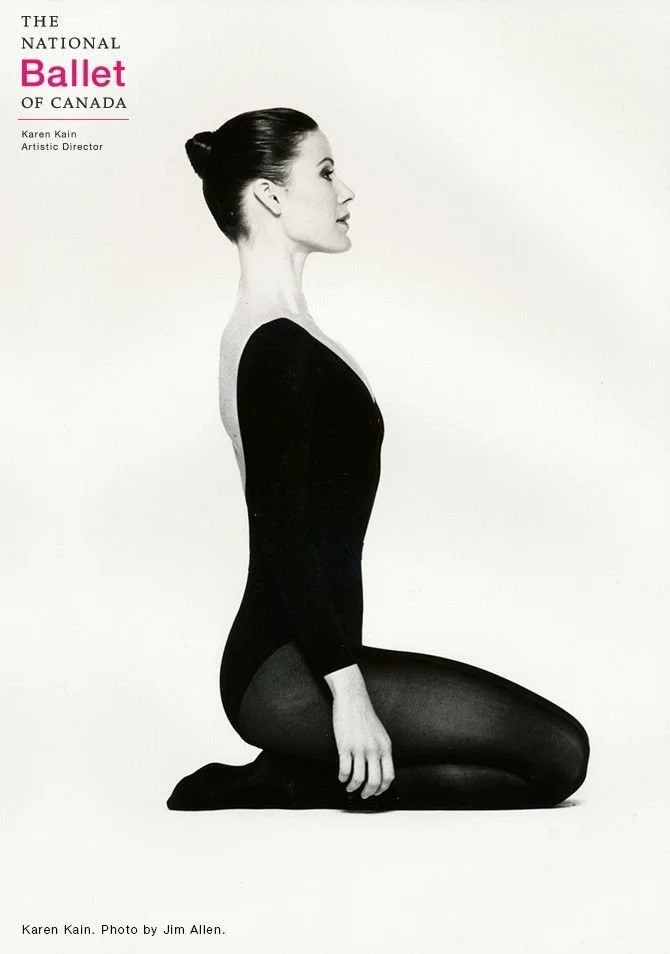
Maintain neutral spinal alignment with an open thoracic position to optimize respiratory efficiency.
Incorporate diaphragmatic breathing to modulate autonomic activity and reduce cortisol.
Engage in regular movement—particularly walking—to support gut motility and stress reduction.
Use interventions such as yoga, Pilates, or targeted spinal extension exercises to strengthen postural musculature.
Optimizing posture can influence key physiological processes related to stress, digestion, and appetite regulation, offering a simple behavioral tool for supporting healthier eating patterns.